¿Quiénes son los lectores más rápidos del mundo?
July 21, 2026 | By Liam Spencer
Los resultados de búsqueda sobre “quiénes son los lectores más rápidos del mundo” pueden ser confusos. Una página puede nombrar a Howard Berg, otra puede señalar a Maria Teresa Calderon y otra puede hablar de campeones de lectura rápida como Anne Jones. La respuesta útil no es un solo nombre. Depende de si te refieres a un récord al estilo Guinness, a una competición cronometrada de lectura rápida, a una afirmación pública o a un lector práctico que puede avanzar deprisa sin dejar de entender el texto. Si estás comparando tu propio ritmo, empieza con una base de velocidad de lectura tranquila en vez de perseguir primero el número más espectacular.
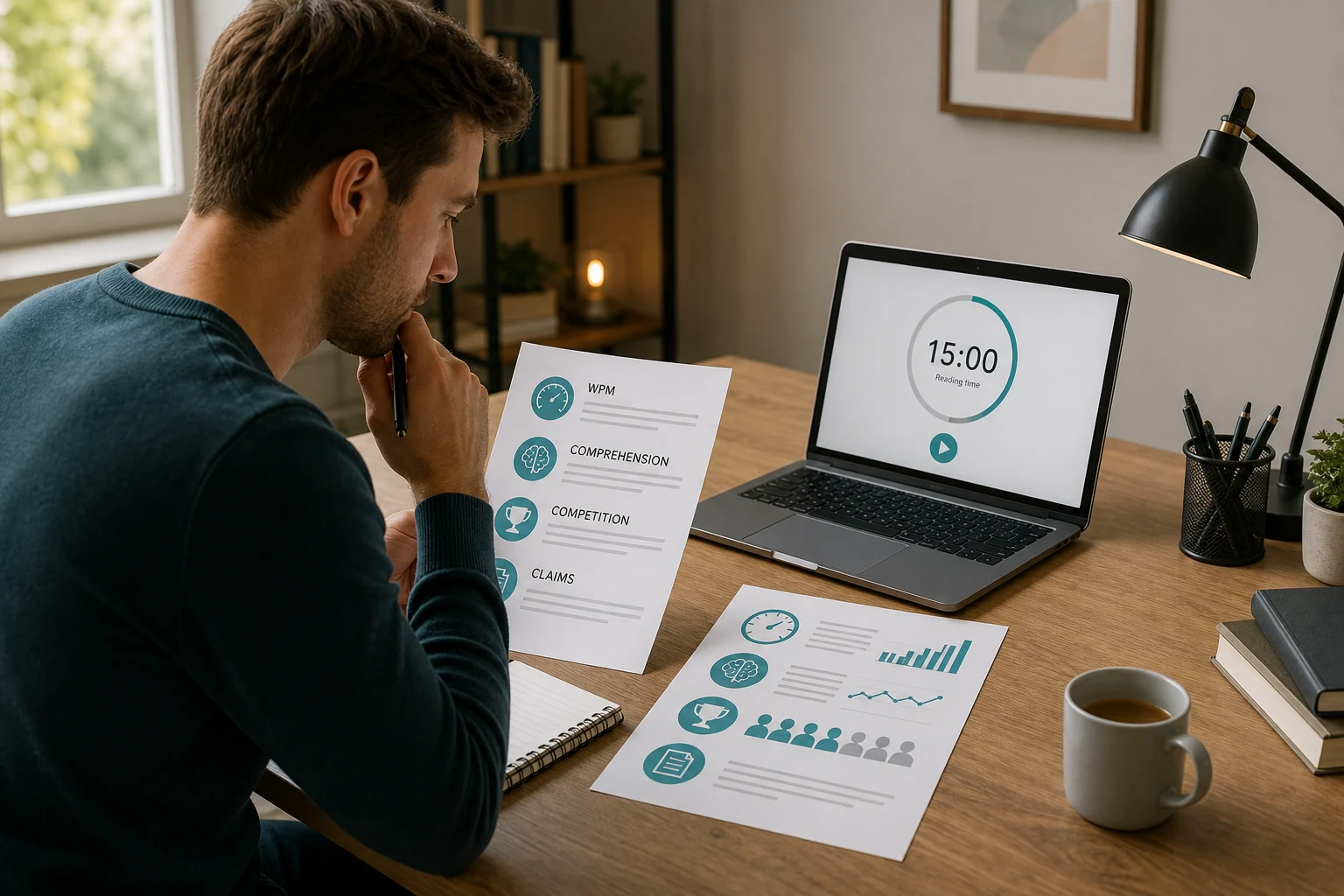
La respuesta breve más segura para 2026 es esta: no existe un título público universalmente aceptado que determine al lector más rápido del mundo en todas las definiciones. Guinness World Records publica récords relacionados con la lectura, como la maratón más larga de lectura en voz alta, pero eso es distinto de la lectura silenciosa más rápida con comprensión. En la lectura rápida competitiva, World Memory Championships incluyó a Hu Xiaoyan, de China, como campeona de la categoría adulta en 2025. Nombres anteriores como Maria Teresa Calderon, Howard Berg, Anne Jones, John F. Kennedy, Jimmy Carter y Evelyn Wood aparecen a menudo, pero sus cifras usaron condiciones distintas o relatos secundarios.
Esa distinción importa porque leer no es solo ingerir palabras. Una puntuación sin comprensión se parece más a escanear páginas, y una puntuación de comprensión sin tiempo no responde a la pregunta sobre la velocidad. La mejor pregunta no es “¿quién tiene el mayor número de WPM?”, sino “¿qué se probó, cómo se comprobó la comprensión y el texto era nuevo para el lector?”.
Por qué no hay una sola respuesta sobre el lector más rápido
“Lector más rápido” suena como una carrera en pista, pero la lectura es más difícil de estandarizar que un sprint. Una prueba justa debe definir el texto, el número de palabras, el método de cronometraje, la exposición previa, el idioma, la familiaridad con el tema y la puntuación de comprensión. Cambia un detalle y el resultado puede variar mucho.
Por ejemplo, un lector puede avanzar por no ficción familiar más rápido que por escritura legal densa. Un concursante que hojea para captar ideas centrales puede terminar antes que alguien que necesita retener detalles. Una persona que ya ha visto el libro tiene una tarea diferente de quien abre un texto nuevo bajo supervisión.
También hay una diferencia entre leer en silencio y leer en voz alta. Guinness tiene un récord público de la maratón más larga de lectura en voz alta, logrado por Samson Ajao, de Nigeria, con 215 horas y 2 segundos en mayo de 2024. Es un récord de resistencia impresionante, pero no identifica al lector silencioso más rápido.
Guinness, competiciones y afirmaciones famosas son cosas distintas
Cuando la gente busca “lector más rápido del mundo Guinness”, suele esperar una página oficial actual que nombre a una persona. El problema es que las afirmaciones antiguas de lectura rápida se repiten a menudo como si fueran récords Guinness vigentes, mientras que las páginas públicas de Guinness se centran en otros títulos de lectura. Una respuesta responsable debe separar las categorías.
Los récords al estilo Guinness suelen requerir una tarea definida y un proceso de evidencia. Una competición de lectura rápida tiene reglas, jueces, textos, límites de tiempo y preguntas de comprensión. Una afirmación pública puede venir de un libro, una entrevista, la promoción de un curso o un perfil en medios. Las tres pueden ser interesantes, pero no tienen el mismo valor probatorio.
En el formato de lectura rápida de World Memory Championships, los competidores leen un libro dentro de un límite de tiempo. Sus palabras brutas por minuto se calculan a partir del número de palabras y el tiempo, y la comprensión se comprueba con preguntas escritas. Eso hace que el resultado sea más significativo que una afirmación viral.
Para los lectores cotidianos, la lección práctica es simple: cada vez que veas un número de WPM espectacular, haz tres preguntas antes de creerlo.
- ¿El material de lectura era desconocido?
- ¿Se evaluó la comprensión después de leer?
- ¿El método fue lo bastante público para que otras personas pudieran comparar?
Si la respuesta no está clara, trata el número como una historia, no como una referencia.
Los nombres que más se llaman los lectores más rápidos del mundo
Varias personas aparecen una y otra vez en artículos sobre los lectores más rápidos del mundo. Cada nombre necesita contexto.
Maria Teresa Calderon
Maria Teresa Calderon suele describirse en internet como una lectora rápida filipina con afirmaciones extraordinarias de WPM y comprensión. Algunos artículos dicen que leía 8.000 palabras por minuto, mientras que otros repiten cifras mucho mayores. Esa variación por sí sola es una señal de alerta.
Aun así, Calderon merece mencionarse porque su nombre forma parte de la historia de la lectura rápida y del interés de búsqueda. La frase “Maria Teresa Calderon fastest reader” debe tratarse como una afirmación famosa con documentación pública desigual.
Howard Berg
Howard Berg se promociona con frecuencia como el lector más rápido del mundo y a menudo se le vincula con una afirmación de 25.000 WPM. Es visible en el marketing de lectura rápida, pero esa cifra está muy por encima de lo que la ciencia de la lectura suele considerar lectura normal con comprensión profunda.
Eso no significa que todas las habilidades que enseña sean inútiles. Significa que el título en sí debe tratarse con cautela. Si una afirmación suena más a escanear o extraer estructura que a leer plenamente cada palabra, el método debe describirse de esa manera.
Anne Jones
Anne Jones tiene una reputación más centrada en la competición que muchos nombres virales de lectores rápidos. Se la describe ampliamente como seis veces World Speed Reading Champion. Un famoso ejemplo de 2007 dice que leyó el último libro de Harry Potter en 47 minutos y resumió después la trama, aproximadamente 4.200 WPM.
Incluso aquí, el contexto importa. Una novela popular, una competidora entrenada y una demostración pública no son lo mismo que una persona común leyendo un manual técnico. Aun así, Jones es uno de los nombres más claros para el lado competitivo de la pregunta.
John F. Kennedy y Jimmy Carter
JFK suele asociarse con unas 1.200 WPM, y Jimmy Carter se conecta a menudo con una afirmación de 2.000 WPM. Estas historias ayudan a explicar por qué la lectura rápida se hizo culturalmente famosa en Estados Unidos.
Pero esas cifras no son récords mundiales de lectura más rápida. Se entienden mejor como anécdotas históricas sobre lectores poderosos y entusiasmo público por los cursos de lectura rápida.
¿Es falso el lector más rápido del mundo?
Algunas afirmaciones están exageradas, otras se malinterpretan y algunas usan una definición más laxa de lectura. Por eso existe la búsqueda “fastest reader in the world fake”. Una afirmación puede ser parcialmente verdadera en un contexto y engañosa en otro.
La confusión más común está entre leer, hojear, escanear y recordar. Una persona podría localizar ideas clave a velocidad extrema, especialmente en material familiar, pero eso no es lo mismo que leer cada palabra con fuerte comprensión. La investigación cognitiva sobre lectura rápida suele encontrar una compensación: cuando la velocidad aumenta mucho, la precisión y la profundidad suelen bajar.
Por eso una comprobación de WPM y comprensión es más útil que un número de meme. Te recuerda medir ambos lados de la ecuación: qué tan rápido avanzaste y cuánto entendiste.
Cómo funcionan las competiciones de lectura rápida
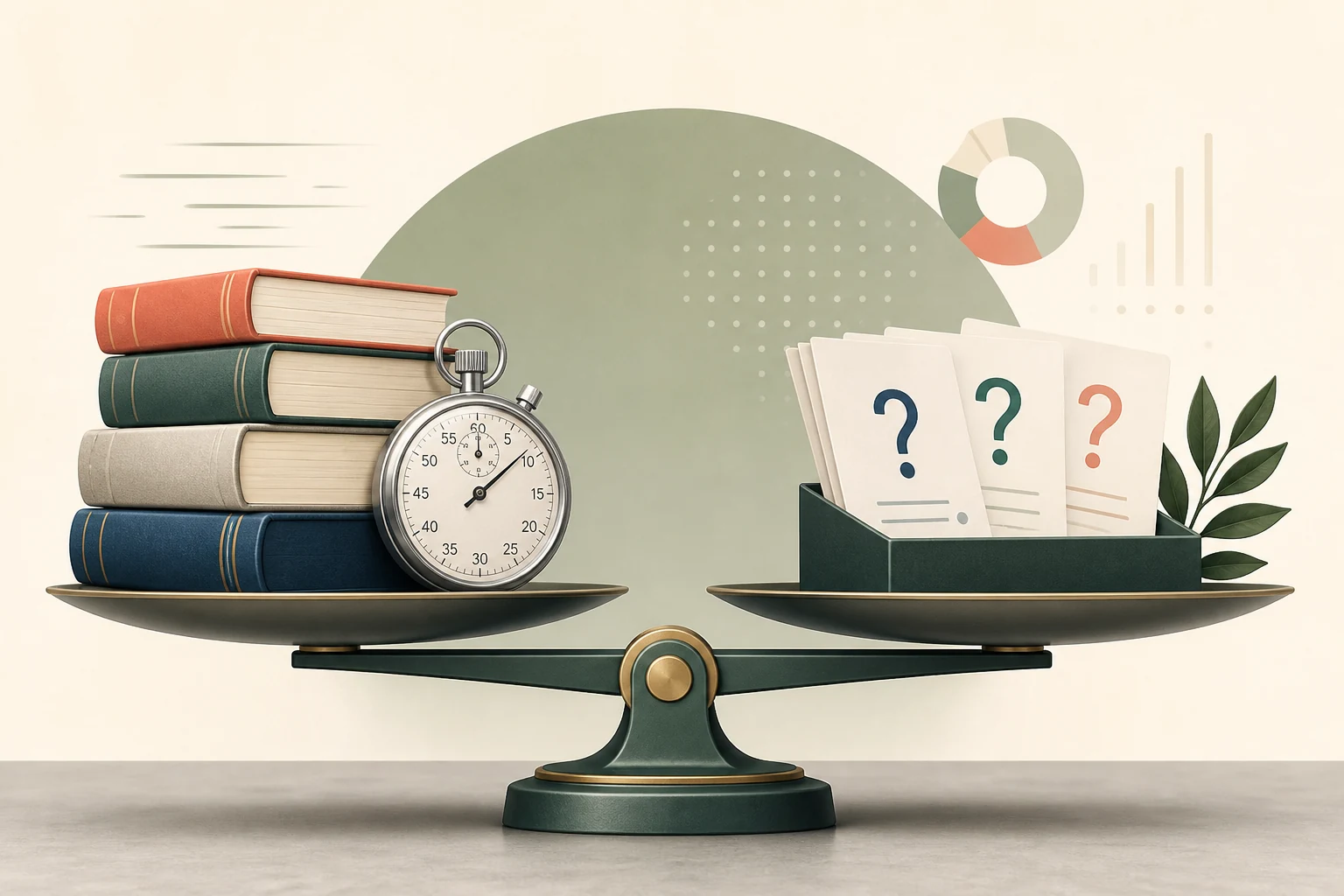
La competición de lectura rápida está más estructurada de lo que sugieren la mayoría de publicaciones virales. Un evento justo necesita un texto nuevo, un periodo de lectura medido, un conteo de palabras y preguntas de comprensión. La puntuación del lector no puede juzgarse solo por el tiempo.
La descripción de World Memory Championships es un modelo útil. Los competidores reciben tiempo para leer un libro, con un límite máximo. Las WPM brutas se calculan dividiendo el total de palabras del libro por los minutos dedicados a leer. Luego responden preguntas diseñadas para probar recuerdo y comprensión.
Ese formato también explica por qué los resultados de competición pueden parecer más bajos que las leyendas en línea. Un concurso controlado tiene fricción: material desconocido, respuestas escritas y puntuación.
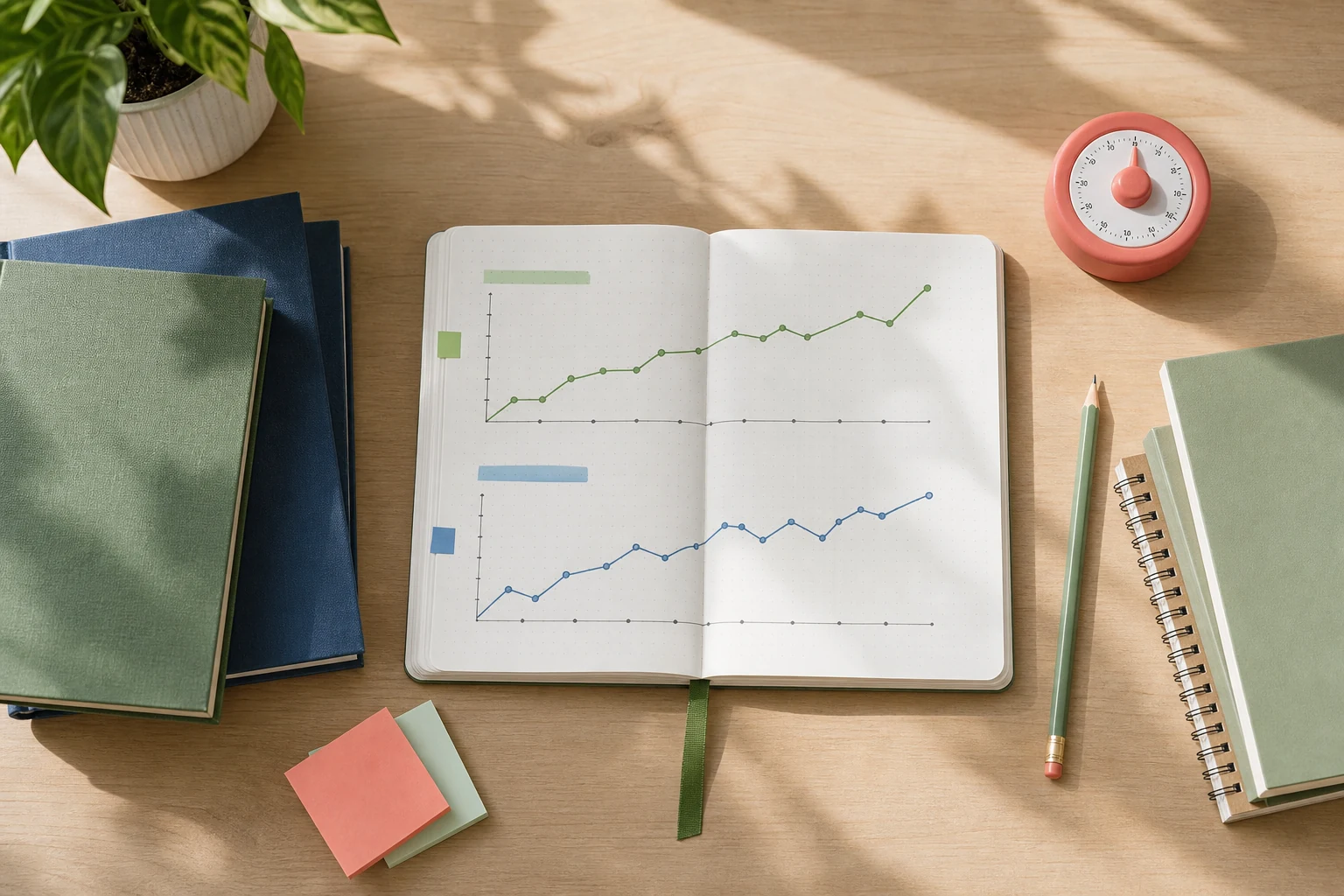
Un lector práctico puede tomar prestada esta mentalidad sin entrar en una competición. Elige un pasaje, cronometra tu lectura, responde unas preguntas y registra ambos números. Repite después con material de dificultad similar. Eso crea una línea de tendencia personal en lugar de un objetivo fantasioso.
Qué cuenta como lectura rápida con comprensión
Para la mayoría de adultos, la lectura ordinaria suele situarse alrededor de unos cientos de palabras por minuto, aunque los resultados varían por idioma, dificultad, propósito y experiencia del lector. Velocidades cercanas a 1.000 WPM son posibles en algunos contextos, sobre todo cuando el objetivo es hojear o captar una comprensión general.
Por eso “¿es posible leer a 1000 WPM?” necesita una respuesta cuidadosa. Sí, una persona puede avanzar por un texto a ese ritmo en ciertas tareas. No, no debería tratarse automáticamente como lectura profunda.
La misma cautela se aplica a las afirmaciones presidenciales. JFK se asocia con 1.200 WPM y Carter con 2.000 WPM, pero esas cifras aún no nos dicen el tipo de texto, el umbral de comprensión ni las condiciones de prueba.
Una mejor manera de usar las historias de lectores rápidos
El mejor uso de las historias sobre lectores rapidísimos es la motivación, no la imitación. Muestran que el ritmo de lectura puede mejorar. No prueban que todos los estudiantes, profesionales o aprendices de por vida deban perseguir WPM de cuatro cifras.
Prueba este marco simple:
- Mide tus WPM actuales en un pasaje normal.
- Comprueba la comprensión inmediatamente después de leer.
- Anota el tipo de texto: ficción, académico, negocios, técnico o no ficción general.
- Practica una habilidad a la vez, como reducir relecturas innecesarias o previsualizar encabezados.
- Vuelve a probar con material similar después de una o dos semanas.
Esto mantiene el progreso con los pies en la tierra. Si tus WPM suben pero tu comprensión baja, la ganancia quizá no sea útil. Si la comprensión se mantiene mientras la velocidad mejora, eso sí es eficiencia lectora real.
Usa las afirmaciones de lectores rápidos para fijar una mejor base
Entonces, ¿quiénes son los lectores más rápidos del mundo? Anne Jones pertenece a la conversación competitiva. Maria Teresa Calderon y Howard Berg pertenecen a la conversación de afirmaciones famosas. JFK, Jimmy Carter y Evelyn Wood pertenecen a la historia cultural de la lectura rápida. Los World Speed-Reading Championships de 2025 añaden nombres actuales como Hu Xiaoyan para los resultados de la categoría adulta.
Pero la conclusión más importante es que “más rápido” solo importa cuando la prueba está clara. La velocidad útil es el ritmo al que todavía puedes entender, recordar y aplicar lo que lees. Para la mayoría de personas, el siguiente paso es usar un centro de práctica de velocidad de lectura para encontrar una base, experimentar con técnicas y observar si la comprensión acompaña a la velocidad.
FAQ
¿Quién es realmente el lector más rápido del mundo?
No hay una sola respuesta pública que cubra todas las definiciones de lector más rápido. Si te refieres a un resultado actual de competición estructurada, mira las categorías recientes de campeonatos de lectura rápida. Si te refieres a afirmaciones históricas famosas, suelen aparecer nombres como Maria Teresa Calderon, Howard Berg y Anne Jones. Si te refieres a habilidad práctica de lectura, la mejor medida es velocidad más comprensión en texto desconocido.
¿Quién es el lector más rápido del mundo en 2026?
Al 20 de julio de 2026, no hay un título público universal del lector más rápido del mundo claramente establecido entre Guinness, competiciones y afirmaciones populares. World Memory Championships publicó resultados de lectura rápida de 2025, incluido Hu Xiaoyan como campeón de la categoría adulta. Otros nombres siguen siendo famosos, pero muchas afirmaciones son antiguas o no se midieron con un estándar común.
¿El lector más rápido del mundo es un récord Guinness?
No de la forma simple que muchos resultados de búsqueda sugieren. Guinness publica récords relacionados con la lectura, incluidos récords de resistencia leyendo en voz alta, pero las listas públicas de Guinness no responden limpiamente a la pregunta del lector silencioso más rápido con comprensión. Las afirmaciones antiguas vinculadas a Guinness deben revisarse con cuidado antes de tratarlas como actuales.
¿Maria Teresa Calderon fue realmente la lectora más rápida?
Maria Teresa Calderon es uno de los nombres más repetidos en la historia de la lectura rápida, pero los relatos públicos varían sobre sus WPM exactas y los detalles de la prueba. Se la describe mejor como una reclamante famosa de lectura rápida que como una respuesta actual simple a la pregunta del lector más rápido del mundo.
¿Cuántas WPM podía leer JFK?
John F. Kennedy suele asociarse con una velocidad reportada de unas 1.200 WPM después de entrenamiento en lectura rápida. Las condiciones exactas de prueba se discuten, así que la cifra debe tratarse como una afirmación histórica, no como una referencia moderna de comprensión profunda.
¿Es posible leer a 1.000 WPM con comprensión?
Puede ser posible para algunos lectores y algunas tareas, especialmente al hojear, con material familiar o al captar ideas generales. Es más difícil mantener una comprensión fuerte a esa velocidad con texto desconocido o complejo. Para estudiar o trabajar en serio, la comprensión debe decidir si el ritmo es útil.