90-Tage-Leseplan: Verdoppeln Sie Ihre WPM & Steigern Sie das Verständnis
December 5, 2025 | By Liam Spencer
Stehen Sie vor einem Berg aus Büchern, Berichten und Artikeln? Für Studenten, Berufstätige und lebenslange Lernende wächst die Menge an Informationen, die wir verarbeiten müssen, ständig. Das Gefühl, ein langsamer Leser zu sein, kann frustrierend sein und zu verpassten Fristen und Informationsüberflutung führen. Viele suchen nach schnellen Lösungen, stellen aber fest, dass dauerhafte Verbesserungen gerade außer Reichweite bleiben.
Was wäre, wenn Sie einen klaren, strukturierten Fahrplan hätten, um Ihre Lesefertigkeiten zu transformieren? Es geht hier nicht um Zaubertricks; es geht um einen systematischen Ansatz, um Ihr Gehirn und Ihre Augen effizienter arbeiten zu lassen. Diese ultimative 90-Tage-Reise ist darauf ausgelegt, Ihnen zu helfen, Ihre Wörter pro Minute (WPM) zu verdoppeln und gleichzeitig Ihr Verständnis zu steigern. Der erste Schritt besteht darin, zu verstehen, wo Sie gerade stehen, und das können Sie mit einem kostenlosen Lese-Geschwindigkeitstest tun.

Warum ein strukturierter Plan? Jenseits schneller Lösungen
Zufällige Tipps zum Schnelllesen mögen einen temporären Schub geben, führen aber selten zu nachhaltigen Veränderungen. Ein strukturierter Plan funktioniert, weil er Fähigkeiten schrittweise aufbaut, ähnlich wie ein Fitnessprogramm. Sie beginnen mit Grundübungen, steigern schrittweise die Intensität und meistern schließlich fortgeschrittene Techniken. Diese Methode stellt sicher, dass jede neue Fähigkeit auf einer soliden Basis aufbaut und zu realen, messbaren Verbesserungen sowohl in Ihrem Lestempo als auch in Ihrem Verständnis führt.
Was Sie erwarten können: Ihr Lese-Transformationsfahrplan
Dieser 90-Tage-Plan ist in drei klare Phasen unterteilt. Jede Phase dauert vier Wochen und konzentriert sich auf einen spezifischen Satz von Fähigkeiten.
- Phase 1 (Wochen 1-4): Bauen Sie Ihre Grundlage auf, indem Sie die Mechanik des effizienten Lesens meistern.
- Phase 2 (Wochen 5-8): Beschleunigen Sie Ihr Tempo, indem Sie gängige Lesebarrieren überwinden.
- Phase 3 (Wochen 9-12): Meistern Sie effektives Lesen durch Fokus auf Verständnis und Behaltensvermögen.
Indem Sie diesem Fahrplan folgen, entwickeln Sie eine mächtige, lebenslange Gewohnheit, die Ihnen Zeit spart und Ihre Lernfähigkeit verbessert.
Phase 1: Aufbau Ihrer Grundlage mit strukturiertem Lesetraining (Wochen 1-4)
Der erste Monat dreht sich darum, die grundlegenden Gewohnheiten Ihres Lesens umzuprogrammieren. Wir konzentrieren uns auf die Festlegung einer Baseline, das Training Ihrer Augenbewegungen und die Schaffung eines Systems zur Verfolgung Ihres Fortschritts. Dieses strukturierte Lesetraining ist das Fundament Ihres zukünftigen Erfolgs.
Erste Bewertung: Kennen Sie Ihren Start-WPM und Ihr Verständnis
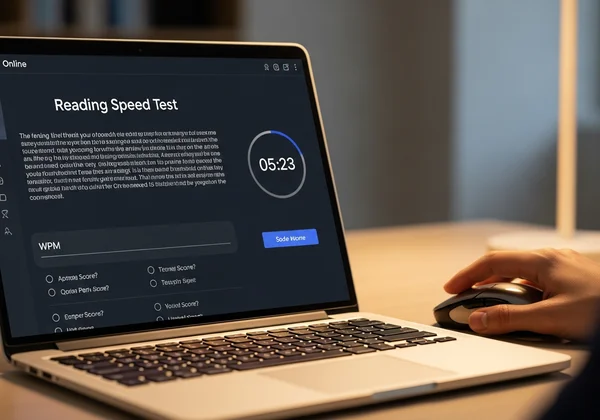
Sie können nicht verbessern, was Sie nicht messen. Bevor Sie mit dem Training beginnen, müssen Sie Ihren Ausgangspunkt kennen. Das umfasst die Messung zweier Schlüsseldaten: Ihrer Lesegeschwindigkeit (WPM) und Ihres Leseverständnisses. Ein guter Test misst nicht nur die Zeit, sondern stellt auch danach Fragen, um sicherzustellen, dass Sie den Inhalt verstanden haben.
Diese erste Bewertung ist Ihr Maßstab. Sie liefert die Daten, die Sie brauchen, um realistische Ziele zu setzen und zu sehen, wie weit Sie gekommen sind. Nehmen Sie sich jetzt ein paar Minuten Zeit, um Ihre Baseline festzulegen und notieren Sie Ihre Ergebnisse.
Tägliche Übungen für Augenbewegungen & Fokus
Ihre Augen bewegen sich nicht gleichmäßig über eine Seite; sie machen kurze, schnelle Sprünge, die Sakkaden genannt werden. Das Ziel dieser täglichen Übungen ist es, diese Sprünge effizienter zu machen und die Zeit zu reduzieren, in der Ihre Augen auf jedem Wort verweilen.
- Die Zeigermethode: Verwenden Sie Ihren Finger oder einen Stift, um Ihren Finger oder Stift entlang der Zeile zu führen. Ihre Augen folgen natürlich dem Zeiger. Dieser einfache Trick verhindert, dass Ihre Augen abschweifen, und reduziert das Wiedelesen (Regression). Üben Sie dies täglich 10-15 Minuten lang.
- Erweiterung der Sehspanne: Üben Sie, Gruppen von Wörtern auf einmal zu sehen statt einzelne Wörter. Beginnen Sie damit, sich auf die Mitte eines kurzen Satzes zu konzentrieren und alle Wörter wahrzunehmen, ohne die Augen zu bewegen.
Wöchentliche Checks: Verfolgen Sie Ihre progressive Schnelllesen-Methode
Konstanz ist entscheidend. Am Ende jeder Woche ist es wichtig, Ihren Fortschritt zu messen. Ein wöchentlicher Check hilft Ihnen zu sehen, was funktioniert, und hält Sie motiviert. Verwenden Sie denselben Online-Test, den Sie für Ihre erste Bewertung genutzt haben, um eine neue WPM- und Verständnisnote zu erhalten.
Führen Sie ein einfaches Logbuch oder Journal, um Ihre wöchentlichen Ergebnisse festzuhalten. Diese Daten erzeugen ein mächtiges visuelles Bild Ihres Fortschritts im Laufe der Zeit und verstärken die Wirksamkeit dieser progressiven Schnelllesen-Methode.
Phase 2: Beschleunigen Sie Ihr Tempo mit progressivem Schnelllesen (Wochen 5-8)
Mit einer soliden Grundlage ist es Zeit zu beschleunigen. Diese Phase konzentriert sich darauf, die mentalen und physischen Gewohnheiten zu überwinden, die Ihre Lesegeschwindigkeit begrenzen. Wir arbeiten an der Erweiterung Ihrer Sehspanne, dem Schweigen Ihrer inneren Stimme und einer aktiven Auseinandersetzung mit dem Text.
Erweiterung Ihrer Sehspanne: Mehr Wörter auf einmal sehen
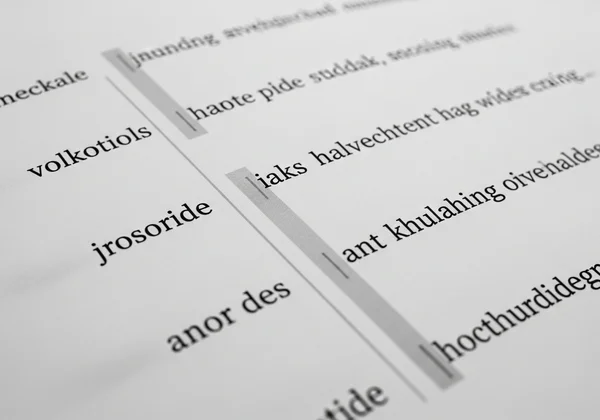
Die meisten Menschen lesen ein Wort nach dem anderen. Um schneller zu lesen, müssen Sie Ihr Gehirn trainieren, Wörter in Gruppen oder Blöcken zu verarbeiten. Durch die Erweiterung Ihrer Sehspanne können Sie drei, vier oder sogar fünf Wörter mit einem einzigen Blick erfassen.
Eine einfache Übung besteht darin, zwei vertikale Linien auf eine Buchseite zu zeichnen und den Text in drei Abschnitte zu teilen. Üben Sie, Ihre Augen nur auf die mittlere Spalte zu fokussieren und die Wörter an den Seiten mit peripherer Sicht zu lesen. Es fühlt sich anfangs ungewohnt an, aber mit Übung passt sich Ihr Gehirn an.
Subvokalisierung überwinden: Still und schneller lesen
Hören Sie eine innere Stimme, die die Wörter vorliest, während Sie lesen? Das nennt man Subvokalisierung. Sie hilft zwar beim Verständnis schwieriger Texte, schafft aber eine Engstelle für die Geschwindigkeit. Sie können nur so schnell lesen, wie Sie sprechen, was Ihre WPM normalerweise auf 250-300 beschränkt.
Um diese Gewohnheit zu reduzieren, versuchen Sie, leise zu summen, während Sie lesen, oder „1, 2, 3, 4“ im Kopf zu zählen. Das belegt Ihre innere Stimme und zwingt Ihr Gehirn, sich allein auf visuelle Erkennung zu verlassen. Das Ziel ist nicht, die Subvokalisierung vollständig zu eliminieren, sondern sie zu kontrollieren.
Aktive Auseinandersetzung: Fragen stellen beim Lesen
Geschwindigkeit ist nutzlos ohne Verständnis. Um sicherzustellen, dass Ihr Verständnis mit Ihrem Tempo mithält, müssen Sie zu einem aktiven Leser werden, nicht zu einem passiven. Das bedeutet, sich mit dem Material auseinanderzusetzen, indem Sie Fragen stellen – vor, während und nach dem Lesen.
- Vor dem Lesen: Überfliegen Sie den Titel und die Überschriften. Fragen Sie sich: „Was weiß ich schon über dieses Thema?“ und „Was möchte ich lernen?“
- Während des Lesens: Verwandeln Sie Überschriften in Fragen. Wenn eine Überschrift „Die Zeigermethode“ lautet, fragen Sie: „Was ist die Zeigermethode und wie funktioniert sie?“
- Nach dem Lesen: Fassen Sie die Hauptpunkte kurz in eigenen Worten zusammen.
Phase 3: Meistern Sie effektives Lesen & umfassende Fähigkeitenentwicklung (Wochen 9-12)
In der finalen Phase verschieben wir den Fokus von purer Geschwindigkeit zur Meisterschaft. Das Ziel ist es, Ihre neuen Fähigkeiten zu integrieren, um nicht nur schneller zu lesen, sondern auch tiefer zu verstehen und Informationen länger zu behalten. Hier zahlt sich die umfassende Entwicklung von Lesefertigkeiten wirklich aus.
Strategien zur Gedächtnisbehaltung: Wissen fest verankern
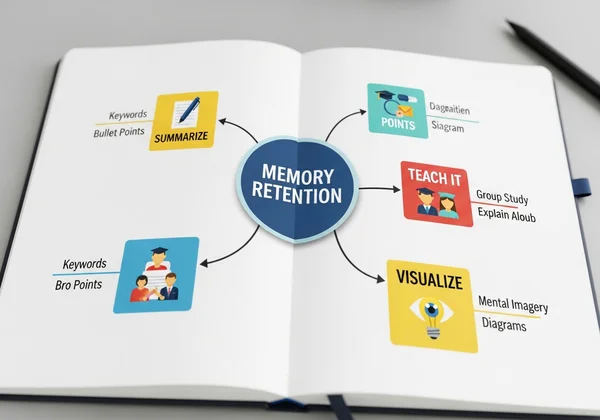
Schnell lesen ist eine Sache; sich zu erinnern, was man gelesen hat, eine andere. Um die Behaltensleistung zu verbessern, müssen Sie mit den Informationen interagieren.
-
Zusammenfassen: Nach Abschluss eines Kapitels oder Abschnitts schließen Sie das Buch und schreiben die Kernideen in ein paar Sätzen auf.
-
Es lehren: Erklären Sie den gerade gelernten Begriff jemand anderem (oder sich selbst). Das ist die Feynman-Technik und extrem wirksam, um Wissen zu festigen.
-
Visualisieren: Erstellen Sie einen mentalen Film oder eine Mindmap der Informationen. Visuelle Verknüpfungen von Konzepten erleichtern das Abrufen.
Kritische Analyse: Jenseits oberflächlichen Verständnisses
Effektives Lesen geht nicht nur darum, Fakten aufzunehmen; es geht darum, sie zu bewerten. Während Sie lesen, üben Sie kritisches Denken über den Inhalt. Stellen Sie sich Fragen wie:
- Was ist das Hauptargument des Autors?
- Welche Beweise unterstützen diese Behauptung?
- Gibt es eine Voreingenommenheit in dem Text?
- Wie hängt das mit dem zusammen, was ich schon weiß?
Diese höhere Ebene der Auseinandersetzung verbessert nicht nur das Verständnis, sondern macht das Lesen zu einem viel lohnenderen Erlebnis. Um zu sehen, wie sich Ihre Fähigkeiten entwickeln, können Sie jederzeit Ihren Fortschritt verfolgen mit einer schnellen Bewertung.
Ihre Erfolge erhalten: Die langfristige Lesegewohnheit
Der 90-Tage-Plan ist darauf ausgelegt, eine Fähigkeit aufzubauen, die ein Leben lang hält. Um Ihre Erfolge zu erhalten, müssen Sie Lesen zu einer konstanten Gewohnheit machen. Widmen Sie täglich mindestens 20-30 Minuten fokussiertem Lesen. Wählen Sie Materialien, die Sie wirklich interessieren, da das die Übung angenehm macht. Ihre neue Lesegeschwindigkeit ermöglicht es Ihnen, mehr Themen und Ideen als je zuvor zu erkunden.
Ihre Reise zu verdoppelter WPM und verbessertem Verständnis beginnt jetzt
Ihre Lese-Transformation geschieht nicht über Nacht, aber mit diesem 90-Tage-Plan gehen Sie von Ertrinken in Informationen zu Reiten auf der Welle des Wissens. Sie haben nun den Fahrplan für die drei kritischen Phasen: Aufbau einer soliden Grundlage, Beschleunigung Ihres Tempos und Meistern des Verständnisses. Übernehmen Sie heute die Kontrolle über Ihre Lese-Reise!
Das Geheimnis, um Ihr Lese-Potenzial freizusetzen, liegt in der Kraft konstanter Übung kombiniert mit regelmäßigen Fortschrittschecks. Dieser „Lernen-Testen-Verbessern“-Zyklus erzeugt Schwung, der Sie vorantreibt zu Ihren Zielen. Ihre Reise beginnt mit einem einfachen Schritt: Verstehen Ihres Ausgangspunkts. Bereit, Ihr Potenzial freizusetzen? Machen Sie jetzt den kostenlosen Test und beginnen Sie Ihre Transformation.
Häufig gestellte Fragen zu Ihrer Lese-Transformation
Welche Lesegeschwindigkeit (WPM) ist ein gutes Ziel?
Während eine „gute“ Lesegeschwindigkeit subjektiv sein kann, lesen Erwachsene im Durchschnitt etwa 200-250 WPM. Eine Geschwindigkeit von 350-400 WPM mit starkem Verständnis gilt als ausgezeichnet für die meisten Materialien. Das beste Ziel ist jedoch, sich selbst zu verbessern und dabei mindestens 80 % Verständnis beibehalten.
Was ist die durchschnittliche WPM für Erwachsene, und wie kann ich vergleichen?
Die durchschnittliche Lesegeschwindigkeit für Erwachsene liegt bei etwa 250 WPM. Sie kann jedoch je nach Schwierigkeit des Textes und Vertrautheit des Lesers mit dem Thema variieren. Der beste Weg, um zu sehen, wo Sie stehen, ist ein standardisierter Test, der Vergleichsdaten liefert. Sie können Ihre WPM ganz einfach vergleichen, um ein klares Bild Ihres aktuellen Niveaus zu bekommen.
Wie kann ich meine Lesegeschwindigkeit und mein Verständnis effektiv verbessern?
Der effektivste Weg ist ein strukturiertes Trainingsprogramm wie den in diesem Artikel beschriebenen 90-Tage-Plan zu befolgen. Es kombiniert gezielte Übungen zur Verbesserung der Lesemechanik (wie Augenbewegungen und Reduzierung der Subvokalisierung) mit Strategien für aktive Auseinandersetzung und Gedächtnisbehaltung. Konstante Übung und regelmäßige Fortschrittsverfolgung sind entscheidend für dauerhafte Verbesserungen.
Ist 1000 WPM möglich, und wie realistisch ist das zu erreichen?
1000 WPM zu erreichen ist für eine sehr kleine Anzahl hochtrainierter Personen möglich, aber es ist kein realistisches Ziel für die meisten Leser. Solche hohen Geschwindigkeiten basieren oft stark auf fortgeschrittenen Techniken zum Überfliegen und Scannen, die nicht für tiefes Verständnis oder komplexe Materialien geeignet sind. Ein praktischeres und wertvolleres Ziel ist es, Ihre aktuelle, vollständig verstandene Lesegeschwindigkeit zu verdoppeln.