Retake a Reading Speed Test at the Right Time
March 21, 2026 | By Liam Spencer
One score can be useful. A score taken every day under changing conditions usually is not. When people retake a reading speed test too soon, they often measure passage familiarity, stress, or sleep more than real improvement.
An online reading speed baseline works best as a checkpoint. It can show whether reading pace and comprehension are moving together. It cannot certify ability, replace classroom assessment, or prove that one fast run is your new normal.
Do not focus only on how soon the number can rise. Ask when the next test will give a cleaner signal. That depends on what you practiced, how similar the passage is, and whether comprehension held up.
Disclaimer: The information and assessments provided are for educational purposes only and should not replace professional medical advice, diagnosis, or treatment.
If reading difficulty feels sudden, severe, or persistent across school, work, or daily life, seek professional help from a teacher, reading specialist, or healthcare provider who can evaluate it offline.
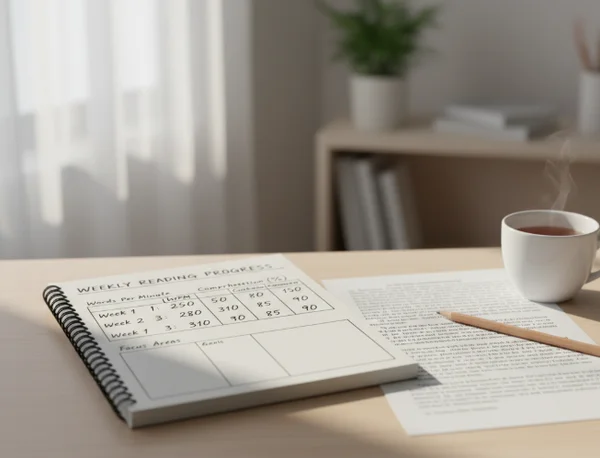
Why Retest Timing Matters More Than Chasing Daily WPM
If you retake a reading speed test after every short drill, the result becomes noisy. A familiar topic may push the score up. A denser passage may pull it down. Even a good day for focus can change the number.
That matters because reading speed is never just one raw pace number. A reading progress checkpoint is useful only when it still reflects understanding. A higher WPM with weaker answers is not the same as stronger reading.
For most readers, a good retest rhythm creates enough distance for real practice to happen. It also keeps the test from becoming its own source of pressure.
What a Reading Speed Retest Can and Cannot Tell You
A retest can show direction. It can show whether a new habit, such as less rereading or better previewing, is starting to help. It can also show whether speed gains disappear when the passage becomes more complex.
It cannot tell you everything from one score. Liberty University's [reading-rate guidance] says the average college student reads about 230 to 250 words per minute and points to 250 to 350 as a strong target range. That benchmark is helpful only when the material is comparable. One retest on light narrative prose and another on dense informational writing do not measure the same demand.
How Passage Difficulty and Comprehension Change the Score
Try to compare like with like. Keep passage type, testing conditions, and time pressure as close as possible. Formal reading systems make the same point. The [DIBELS FAQ on equivalent passages] says progress-monitoring passages are designed to be comparable rather than randomly harder or easier each time.
That is a useful rule for self-tracking too. If the first score came from a calm morning on a short nonfiction passage, and the next score came late at night on a technical article, the comparison is weak. You are changing too many variables at once.
Comprehension matters just as much. A faster run with more missed questions often means the reader pushed pace past useful retention. For this site, that is especially important because the tool is meant to balance speed with understanding, not reward speed alone.
Why One Fast Attempt Does Not Always Mean a New Baseline
A surprising high score can feel like proof that training worked. Sometimes it does. Sometimes it is only an outlier. One familiar topic, one unusually easy passage, or one very alert session can create a spike that disappears on the next try.
Treat a new high score as a clue, not a verdict. If the result repeats across similar passages and comprehension stays steady, it is more likely to reflect real progress. If the score jumps but the answers slip or the next session drops back, keep practicing before you reset your goal.
When to Retake a Reading Speed Test in Common Scenarios
The best retest interval depends on what changed between attempts. Wait long enough for practice to accumulate. Do not wait so long that you lose the thread of what you were trying to improve.
After a Short Practice Block or New Reading Drill
Daily retesting usually creates more noise than insight. In formal progress monitoring, the University of Oregon's [DIBELS 8th Edition guide] says it is rarely advisable to test more than once a week. The same guide says many students are checked every 2 to 4 weeks, depending on need and intensity.
That does not mean every adult using an online tool must follow a school schedule. It does suggest a practical floor. Wait at least a week unless you have a very controlled training plan and a strong reason to compare sooner. For many readers, a weekly or biweekly retest after 5 to 7 focused practice sessions produces a cleaner signal than daily checking.
If you just started a new drill, such as pointer use, reduced rereading, or better previewing, give the habit time to settle. Retest after the skill has shown up in real reading, not only during practice.

During Study Crunches, Work Sprints, or Long Breaks
Busy periods change reading conditions. Exam prep can increase speed on familiar task types. Heavy report work can slow pace because the material is denser. A long break can temporarily lower endurance even if skill returns quickly after a few sessions.
In these cases, retest at transition points. Use one score before the busy period and one after it. That comparison tells more than a string of rushed daily attempts. If you are tracking comprehension closely, space those checks even wider. The same DIBELS guide says comprehension measures often change too slowly for short-interval testing. In school settings, that kind of measure may be used only monthly or once to twice between larger benchmark windows.
A long break is different. If you have been away from active reading practice for weeks, treat the next score as a fresh baseline rather than as a failure. Then compare future retests against that new starting point.
What to Log Before You Compare Two Reading Scores
Retesting works best when each score comes with context. Without notes, people remember only the headline number and miss the reason it changed.
Record Passage Type, Time Pressure, and Comprehension
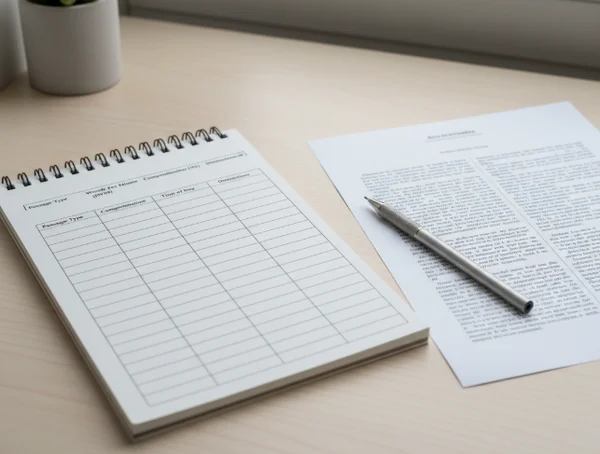
A simple log is enough. Track:
- passage type
- general difficulty
- time of day
- reason for the test
- WPM
- comprehension result
- any obvious distractions
This turns a reading speed benchmark into a pattern you can read. Two scores that look similar may mean different things if one came from a calm practice block and the other came after a long workday.
Spot the Signs That Speed Is Rising but Retention Is Slipping
Watch for three warning signs:
- WPM rises, but comprehension drops.
- Scores improve only on easy or familiar topics.
- Faster sessions leave you unable to explain the main point of what you read.
When these signs appear, do not force another quick retest. Slow down, return to the drill that supports comprehension, and compare again after a fuller practice block. The goal is not to win one session. The goal is to build reading that stays useful across textbooks, reports, articles, and everyday work.
Next Steps: Build a Simple Retest Rhythm
A simple system is enough for most readers. Take one baseline score. Practice with a clear focus for at least a week. Retest under similar conditions. Then decide whether the change showed better pace, better comprehension, or only a different passage.
That rhythm matches what the site is built to do: use a test as a learning checkpoint, not as constant judgment. If you want a clean comparison, return to the online reading speed baseline after a real block of practice and record the context around the result.
Progress becomes easier to trust when the timing makes sense.
Retaking a Reading Speed Test
Should you retake a reading speed test every day?
Usually no. Daily testing makes it hard to separate real improvement from passage differences, fatigue, or simple luck. A weekly retest is a better starting point for most self-trackers.
What counts as meaningful progress on a reading speed test?
Meaningful progress repeats across similar passages and keeps comprehension stable. One unusually fast session is interesting, but two or three consistent results are more useful than one spike.
Can you compare scores from different passage types?
Only with caution. Fiction, nonfiction, and technical material can pull reading pace in different directions. The more similar the passages are, the more trustworthy the comparison becomes.