Books on Speed Reading: 5 Practical Choices and How to Use Them
November 3, 2026 | By Liam Spencer
The most useful books on speed reading give you something to practice and a way to check what you understood. A bold promise on the cover tells you much less. For a broad beginner's reference, consider Speed Reading For Dummies. For a short course format, look at 10 Days to Faster Reading. If you prefer drills using your own material, consider Breakthrough Rapid Reading.
This guide compares five options by learning format, exercise structure, and how you can use them. The aim is to help you choose one book you will work through. For videos, apps, and additional reading recommendations, explore the site's speed reading resource hub.

Which Speed Reading Book Fits Your Learning Style?
There is no single best speed reading book for every reader. A student struggling with unfamiliar vocabulary needs different support from a professional deciding which reports deserve a full read.
The choices below are based on publisher descriptions, available contents, and stated exercise formats. They are a guide to fit, rather than a ranking from personal testing or proof that one program produces larger gains.
| Book and author | Useful format | Consider it if you want... | Check before choosing |
|---|---|---|---|
| Speed Reading For Dummies, Richard Sutz with Peter Weverka | Broad reference with exercises and a progress worksheet | An introduction you can revisit by topic | Whether you will use the vocabulary and comprehension sections |
| 10 Days to Faster Reading, The Princeton Language Institute and Abby Marks-Beale | Short course with quizzes and exercises | A defined starting sequence | Whether the daily format fits your schedule |
| Breakthrough Rapid Reading, Peter Kump | Self-directed drills with your own reading material | Practice you can adapt to everyday reading | Whether you enjoy working through exercises |
| Brilliant Speed Reading, Phil Chambers | Timed chapters, a speed chart, and chapter quizzes | Reading pace and comprehension records within the book | Whether you will complete the quizzes as well as the timing |
| How to Read Better and Faster, Norman Lewis | Reading skills instruction covering concentration, vocabulary, and retention | Attention to the language side of reading | The edition and sample exercises available to you |
Speed Reading For Dummies: A Broad Beginner's Reference
Richard Sutz's guide, written with Peter Weverka, covers establishing a reading rate, recognizing word groups, using writing structure, and expanding vocabulary. The publisher's contents also list a progress worksheet. Its broad organization suits readers who want a reference they can revisit by topic.
How to use it: Begin with the reading-rate chapter, then choose a section that addresses your difficulty. If unfamiliar words interrupt you, prioritize the vocabulary material. If you struggle to navigate reports, examine the chapter on writing structure. Use the worksheet to record the section practiced and what you understood.
Before choosing: Preview both an exercise and the comprehension section. The breadth is useful if you like selecting topics; readers who need a fixed daily sequence may prefer 10 Days to Faster Reading. Traditional visual-span techniques in the book should be judged by your results, rather than assumed to improve detailed understanding.
10 Days to Faster Reading: A Defined Starting Sequence
10 Days to Faster Reading, credited to The Princeton Language Institute and Abby Marks-Beale, combines quizzes and exercises with topics such as concentration, scanning, and skimming. The publisher's description presents it as a short course. Consider this format if deciding what to practice next is the main obstacle to starting.
How to use it: Follow the course sequence and complete the exercises before moving on. Repeat a lesson when needed; the ten-day title can organize your schedule without dictating your pace. Note whether each task involves scanning, skimming, or close reading so the results remain comparable.
Before choosing: Check a sample lesson against the time you can set aside. The publisher's claim about cutting reading time is a promotional outcome, not a forecast for you. Choose the book for its course structure and practice tasks.
Breakthrough Rapid Reading: Drills with Your Own Material
Peter Kump's Breakthrough Rapid Reading presents a program readers can follow at home using drills and exercises. Penguin Random House's description specifically notes that readers can choose their own material and set their own pace. That makes it a candidate for readers who want to practice with everyday articles, reports, or books.
How to use it: Select material relevant to your reading goals and follow the drill instructions. Set aside comparable, unread selections to check whether the method transfers beyond the practice text. A familiar passage can feel faster because you remember it.
Before choosing: Preview the drills and ask whether you are willing to prepare your own material. This flexibility creates some setup work. Keep the publisher's expansive speed and recall claims separate from what your records show.
Brilliant Speed Reading: Tracking Built into the Format
Phil Chambers' Brilliant Speed Reading includes chapter timing, a speed chart, and quizzes at the end of chapters, according to the publisher description and contents available through O'Reilly. The contents also list an appendix with answers to comprehension questions. Consider it if you want measurement built into the reading sequence.
How to use it: Follow the timing instructions and complete each chapter quiz before checking the answers. Keep your timing and quiz results together. A brief note about missed ideas can help you decide which section to revisit.
Before choosing: Preview how the chart and quizzes appear in the format you plan to use. Chapters differ in subject and difficulty, so changes within the book are useful practice feedback rather than proof of a general speed increase. Check transfer with fresh material outside the book, too.
How to Read Better and Faster: Vocabulary and Concentration
Norman Lewis' How to Read Better and Faster addresses vocabulary, concentration, and retention alongside reading pace. Goyal Publishers' description emphasizes these broader skills. Consider it when unfamiliar language or difficulty staying focused makes reading laborious.
How to use it: Inspect the vocabulary and concentration sections in your edition, then begin with the area that interrupts your reading most often. Apply what you practice to a current reading task and note whether you need fewer vocabulary lookups or can explain the argument more clearly.
Before choosing: Check the edition, sample passages, and exercise instructions. Editions and formats can differ. A sample that you can work through comfortably is more useful for choosing than an impressive claim on the cover.
What to Check Before Buying a Speed Reading Book
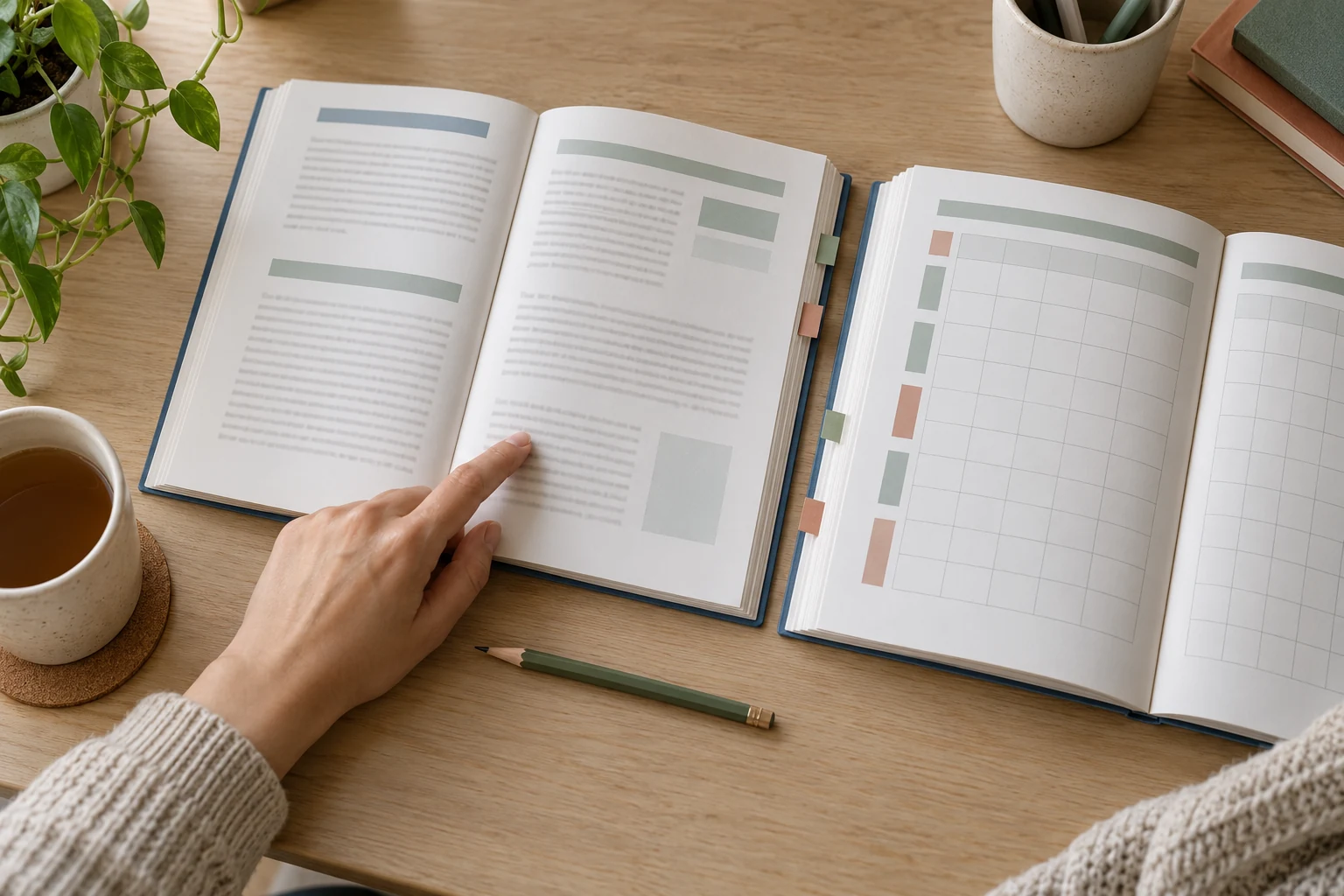
Once you have narrowed the list to one or two titles, preview a sample chapter or borrow a copy. Check the exact edition and format you will use:
- Exercise instructions: Can you identify what to do, what material to use, and when to stop? A sample exercise is a better guide to fit than the cover promise.
- Understanding checks: Look for quizzes, answers, or recall tasks. Brilliant Speed Reading explicitly includes chapter quizzes; inspect the checks in the other books before comparing them.
- Required preparation: Decide whether you prefer supplied practice material or the flexibility of selecting your own texts, as described for Breakthrough Rapid Reading.
- Usable format: Check whether charts, exercises, and answer sections are easy to navigate in print or on your device. For an audiobook, check whether accompanying written materials are included.
- Outcome claims: Ask whether a claimed speed refers to skimming, familiar passages, or detailed reading. Those are different tasks.
Reddit recommendations can help you discover titles, but a success story does not establish which program will suit you. Look for details about the edition, exercises, reading material, and understanding checks.
How Much Should You Trust the Speed Claims?
The main reason to choose a book is a practice format you can use. A book's inclusion of a technique does not establish that it improves detailed comprehension. Keith Rayner and colleagues' 2016 research review describes a trade-off between speed and understanding and finds that doubling or tripling normal reading speed with unchanged comprehension is unlikely.
Keep that distinction in mind when evaluating cover promises. Skimming to locate information may be useful, but it is a different outcome from closely understanding an unfamiliar argument. For more context, see the site's guide to 1000 WPM myths and realistic reading progress.
Check Whether Your Chosen Book Helps
Choose one book and use its exercise sequence or topic structure consistently. An optional reading speed and comprehension baseline can provide a starting reference. Keep a short record of the exercise, material, time, and what you could explain afterward.
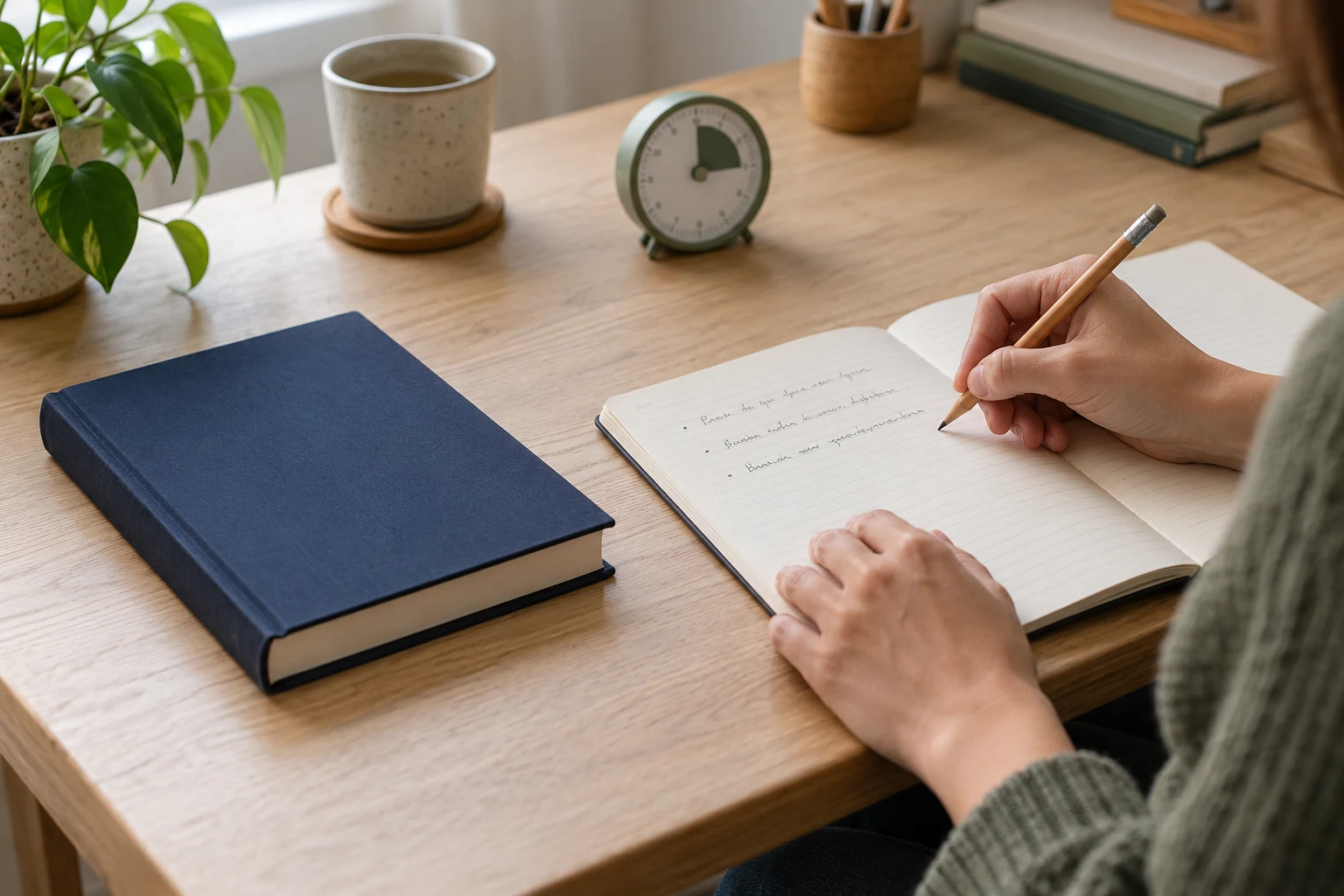
After several sessions, check an unread passage of similar difficulty. Use questions with an answer key where available, or write the main idea and supporting details from memory. Personal recall notes are useful feedback, not standardized comprehension scores. Keep skimming results separate from close-reading results, and include any rereading needed to complete the task.
For a broader routine beyond your chosen book, use the site's practical guide to improving reading skills. If your immediate goal is finishing a particular book, the guide to reading a book faster while preserving understanding covers that task in more detail.
Choose the Format You Will Actually Use
Start with a broad reference if you want to revisit individual topics, a short course if you need a clear sequence, or a flexible drill program if you want to supply your own texts. Preview one exercise before committing. The most useful books on speed reading are the ones whose practice you can follow and whose results you can check in everyday reading.
FAQ
What is the best book for speed reading?
For a broad introduction, Speed Reading For Dummies is a reasonable option. 10 Days to Faster Reading offers a short course format, while Breakthrough Rapid Reading supports drills with your own material. These are choices by format, not evidence that one book produces the best results for everyone.
Which speed reading book should a beginner choose?
For a reference you can revisit by topic, preview Speed Reading For Dummies. For a defined course sequence, preview 10 Days to Faster Reading. Compare a sample exercise from each and choose the instructions you find easier to follow.
Does 10 Days to Faster Reading have to be completed in ten days?
You can adapt the course to your schedule and repeat exercises when needed. Treat ten days as the book's organizing format, rather than a deadline or a guarantee of improvement.
Can I use my own reading material with a speed reading book?
Breakthrough Rapid Reading explicitly supports choosing your own material. For other books, follow the exercise instructions and check whether they require supplied passages. Reserve unread, comparable texts for evaluating progress.
Should I choose print, an ebook, or an audiobook?
Print or an ebook lets you inspect written passages, charts, and answers while practicing. Check a sample on your device before choosing an ebook. If you prefer audio, confirm whether the edition includes the written exercises and worksheets you will need.